Water Damage Recovery Done Right - Demo, Mold Mitigation, and Rebuild
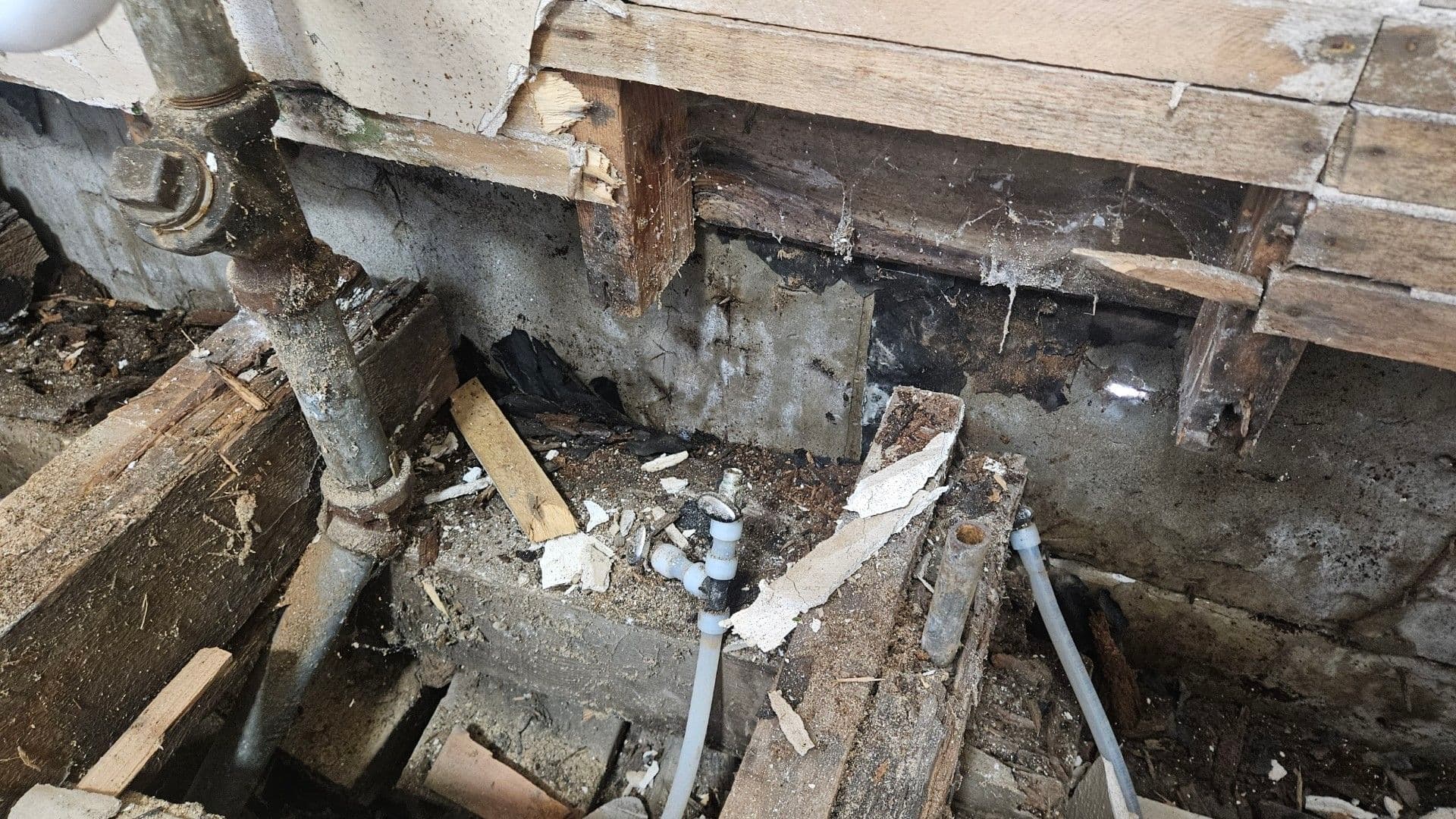
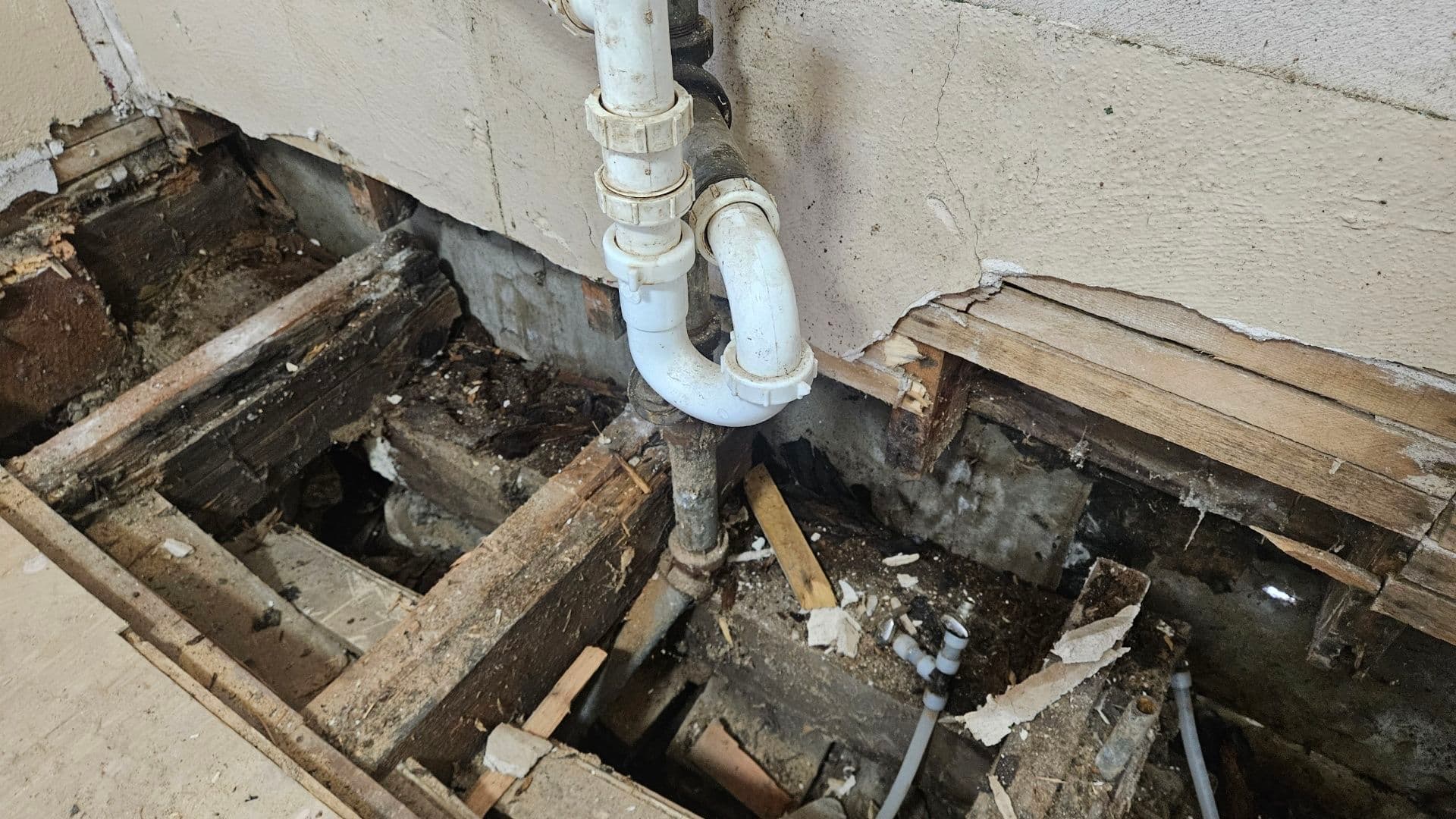
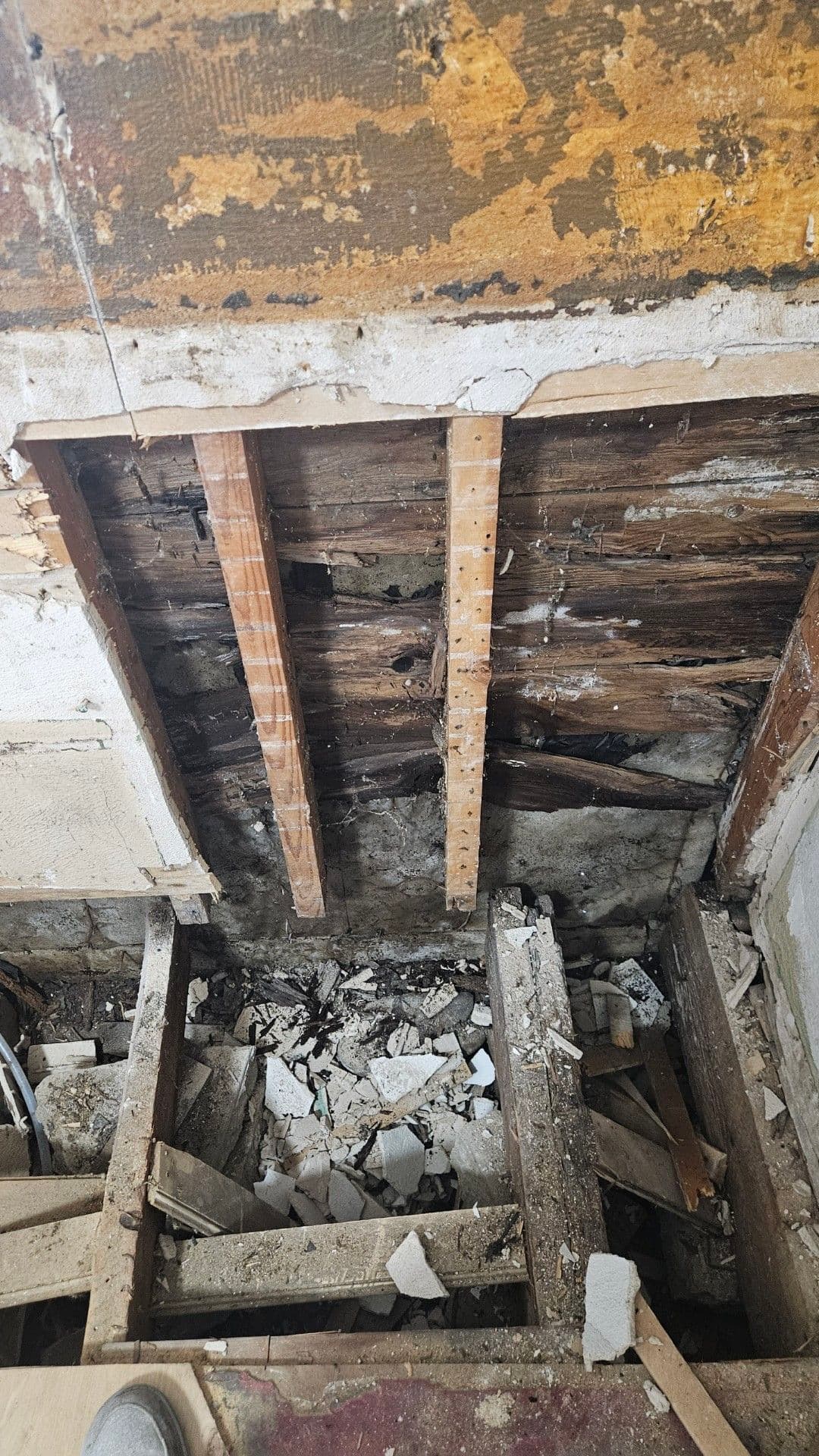
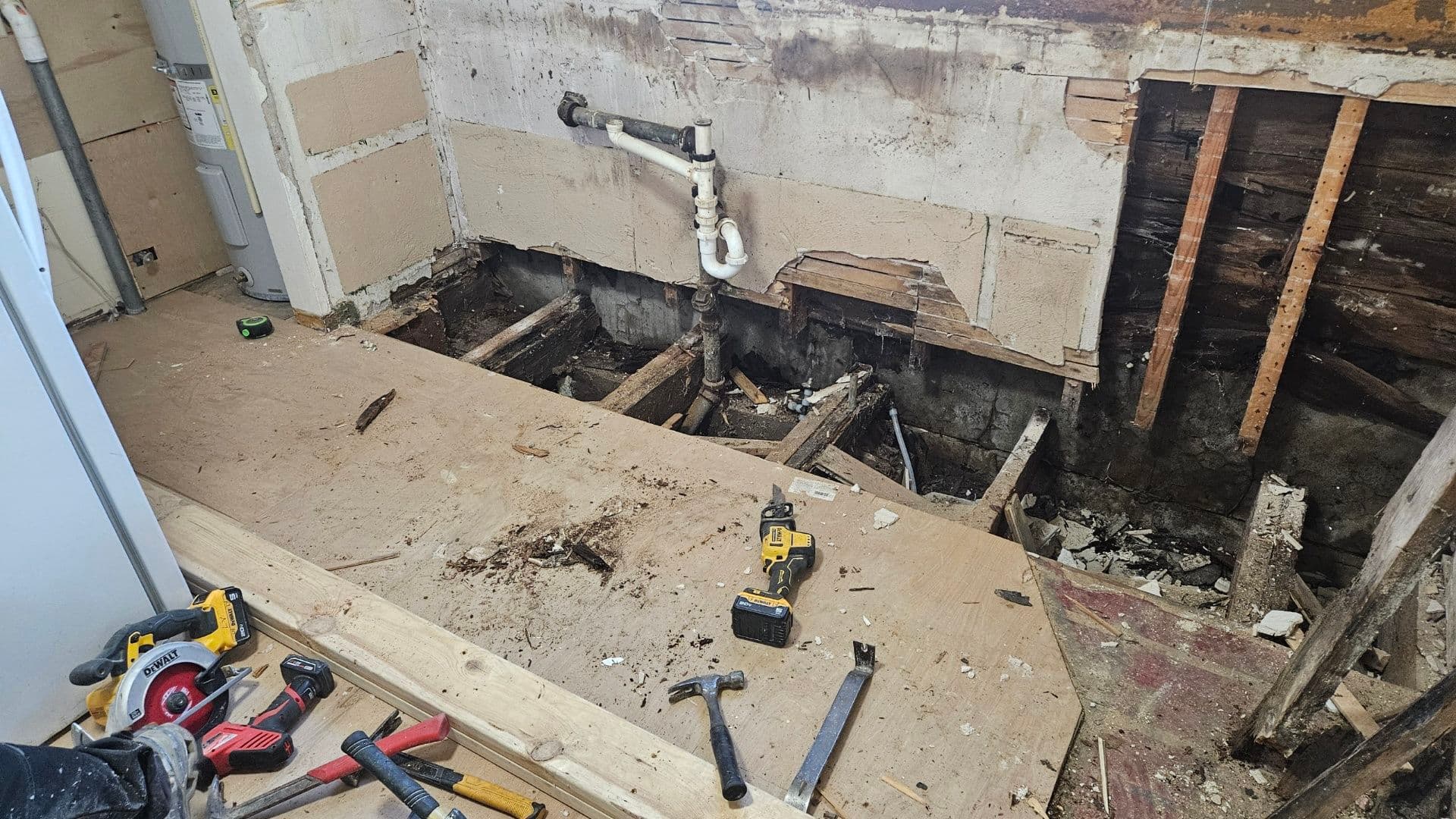
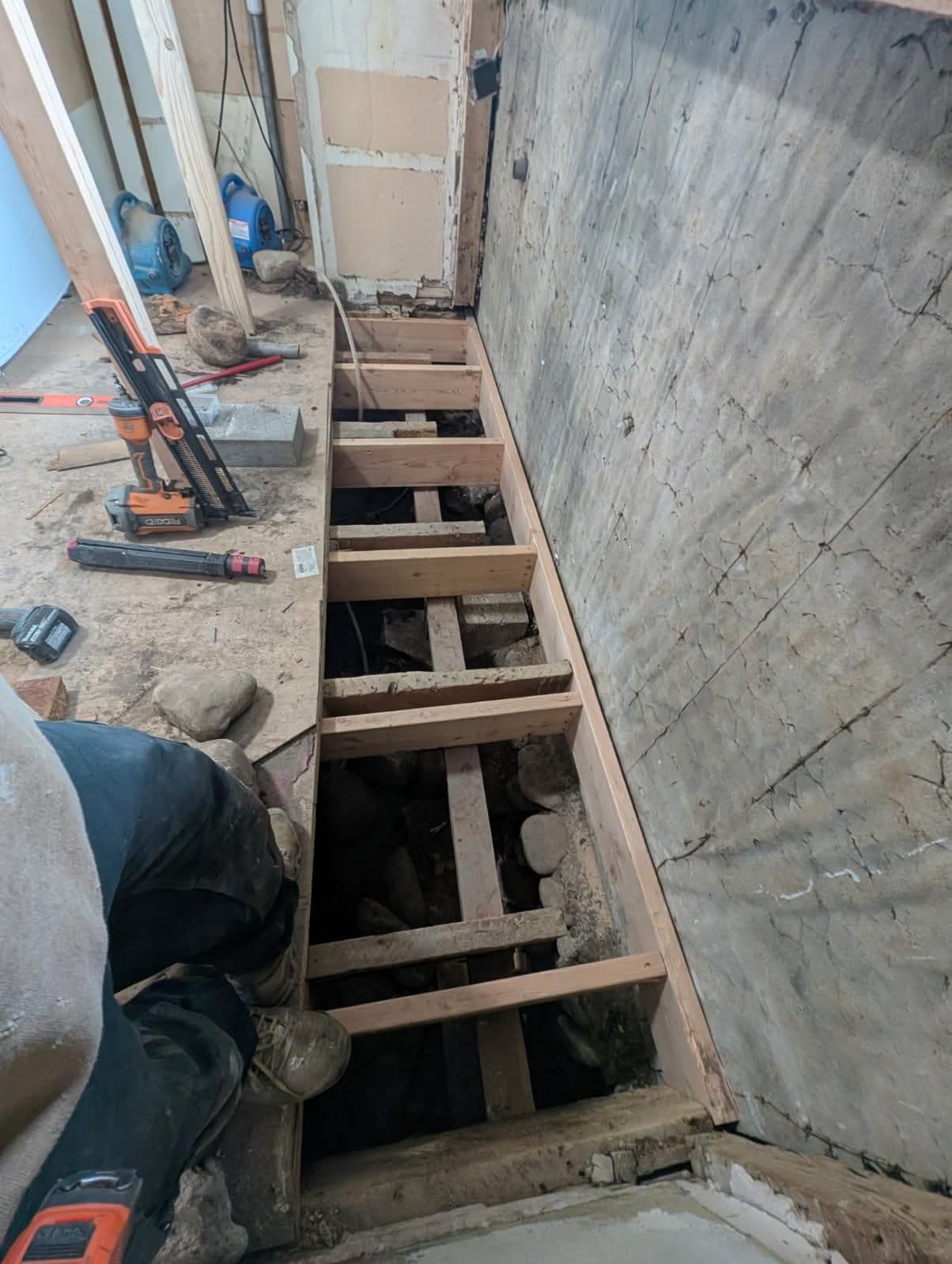
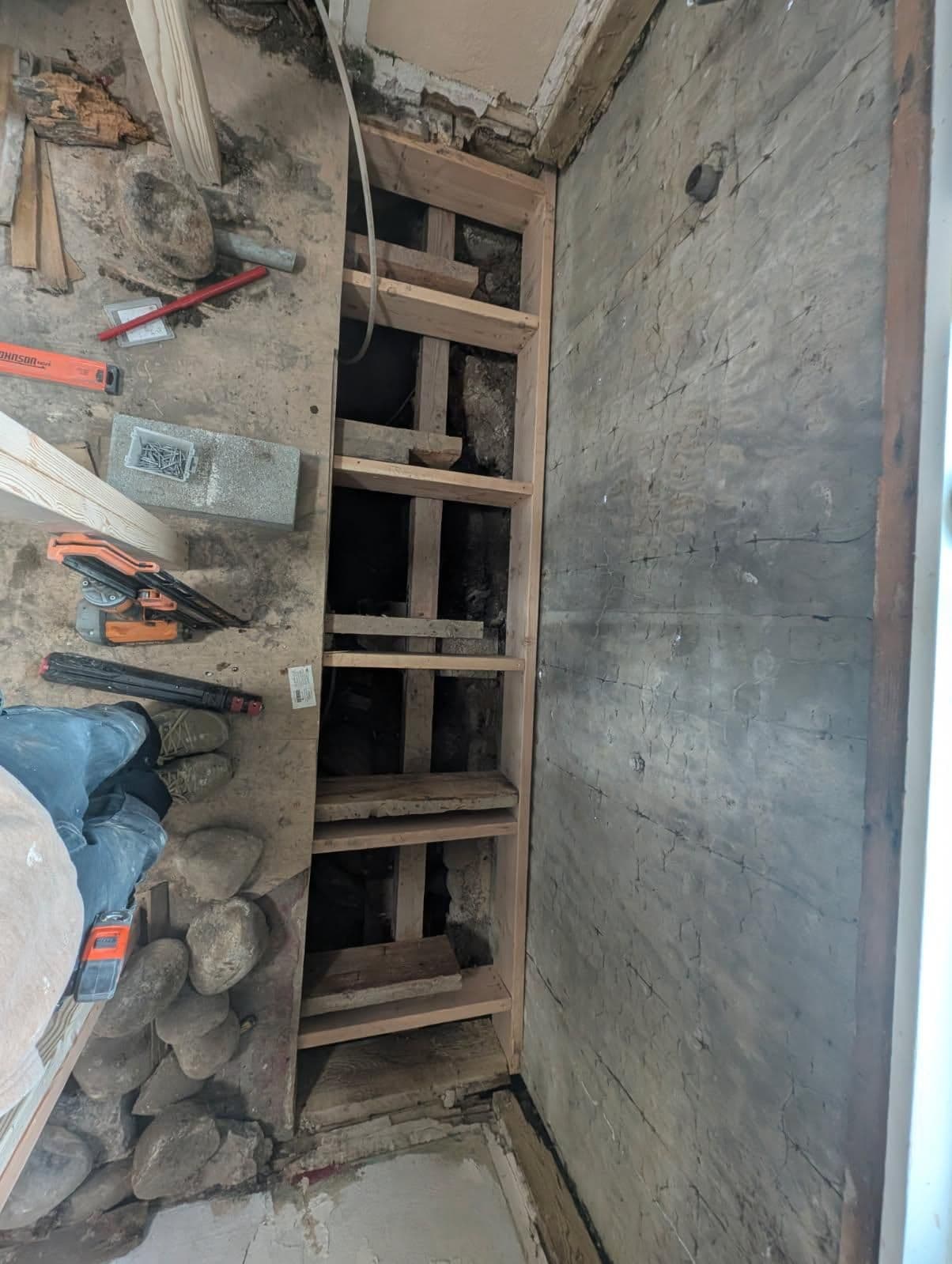
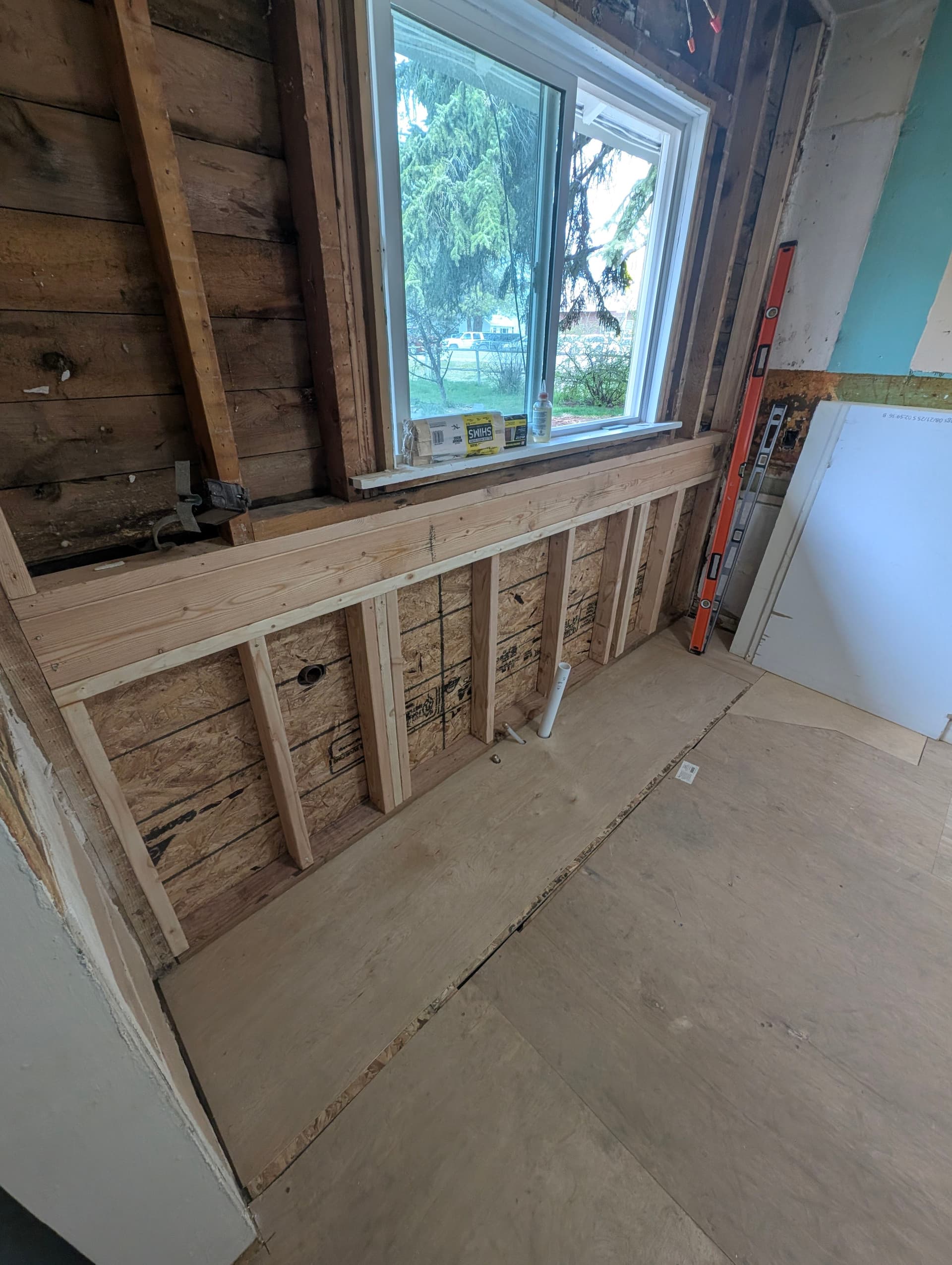
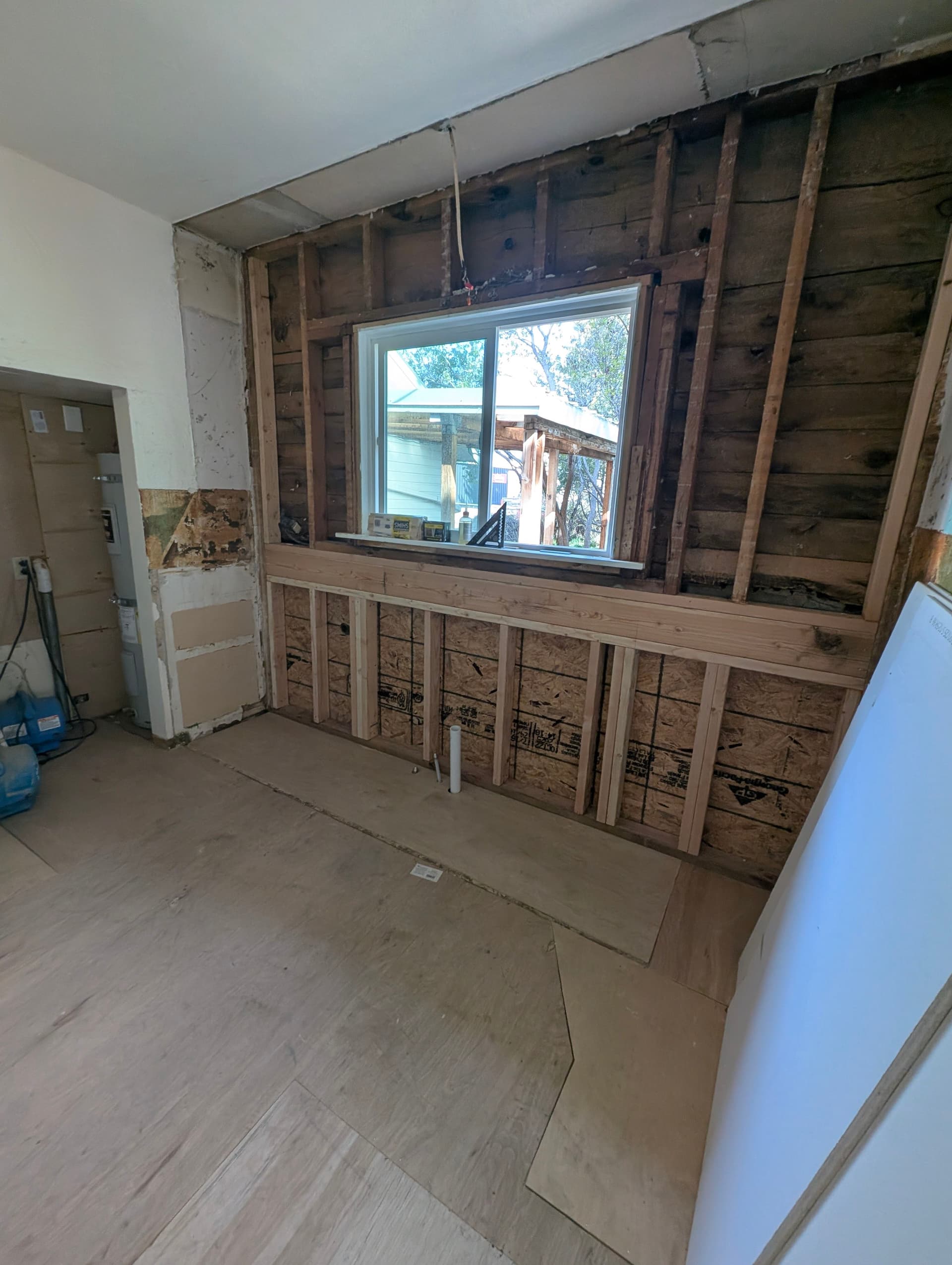
Water damage is rarely just a surface problem. By the time you notice it, the real mess is already hiding underneath your floors and behind your walls. That's exactly what we were dealing with here - rotted subfloor framing, blackened structural wood, compromised joists, and mold that had taken over what used to be living space.
The first step is always demo. No shortcuts. We pulled floors, opened walls, and got eyes on every inch of the damage before anything else happened. What we found was significant - deteriorated framing, heavily soiled concrete foundation walls, and wood that had been wet long enough to become a mold breeding ground. You can't fix what you haven't fully exposed.
Once the demo was done, we moved into mold mitigation. That means treating affected surfaces, removing anything that couldn't be saved, and making sure the environment was actually clean before a single piece of new material went in. Running air movers on-site kept conditions controlled while we worked through each phase. Skipping this step is how mold comes back six months later.
Then comes the rebuild - and this is where it all comes together. Fresh framing, new subfloor sheathing, and structural work done correctly from the ground up. The difference between a quick patch job and a real restoration is this phase. We don't hand the homeowner back a covered-up problem. We hand them back a solid foundation.
This is what water damage restoration actually looks like when it's done the right way. It's not glamorous in the middle of it. But the end result is a home that's structurally sound, mold-free, and ready to finish out properly.